Traditional Mongolian Clothing Guide
Traditional Mongolian clothing reflects the country’s nomadic lifestyle, climate, and cultural identity. Designed to provide comfort, warmth, and practicality, these garments have been worn for centuries across the vast Mongolian steppe.
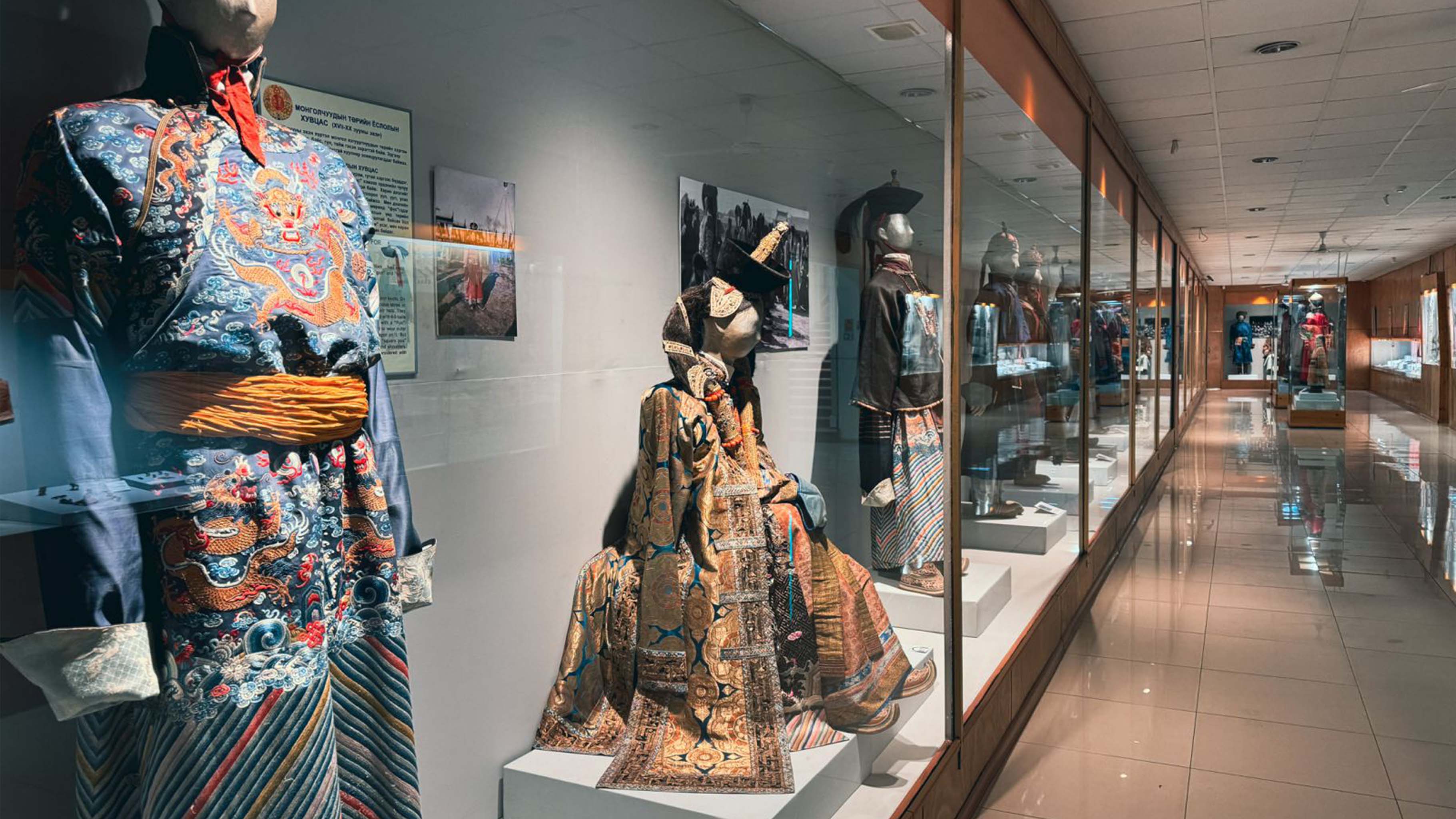
The most iconic piece of Mongolian clothing is the deel, but traditional attire also includes belts, boots, hats, and various accessories that together form a unique and meaningful style.
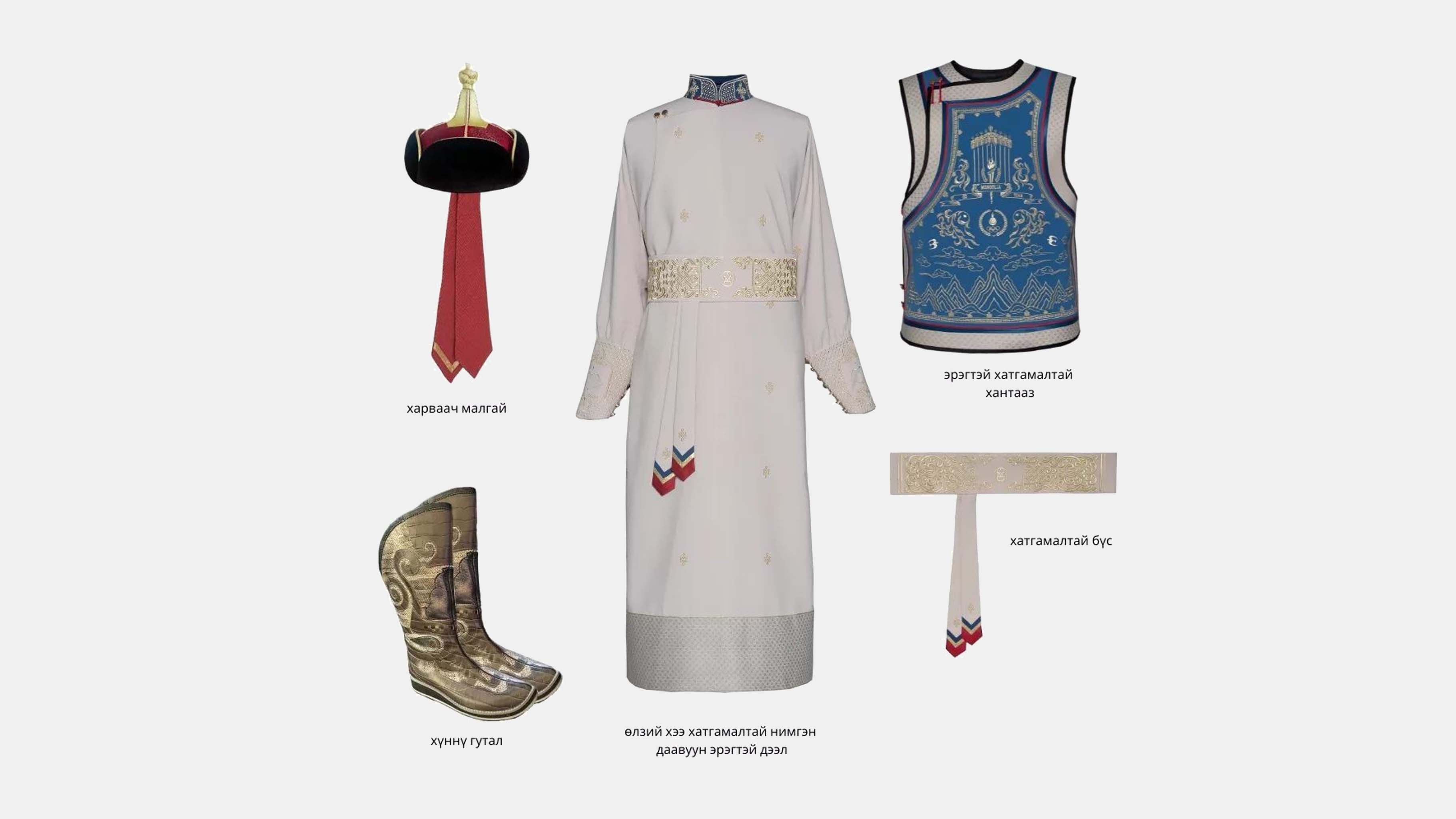
The deel is the most recognizable traditional Mongolian garment. It is a long robe-like coat that wraps across the front and is fastened with buttons or ties. The deel is worn with a belt around the waist.
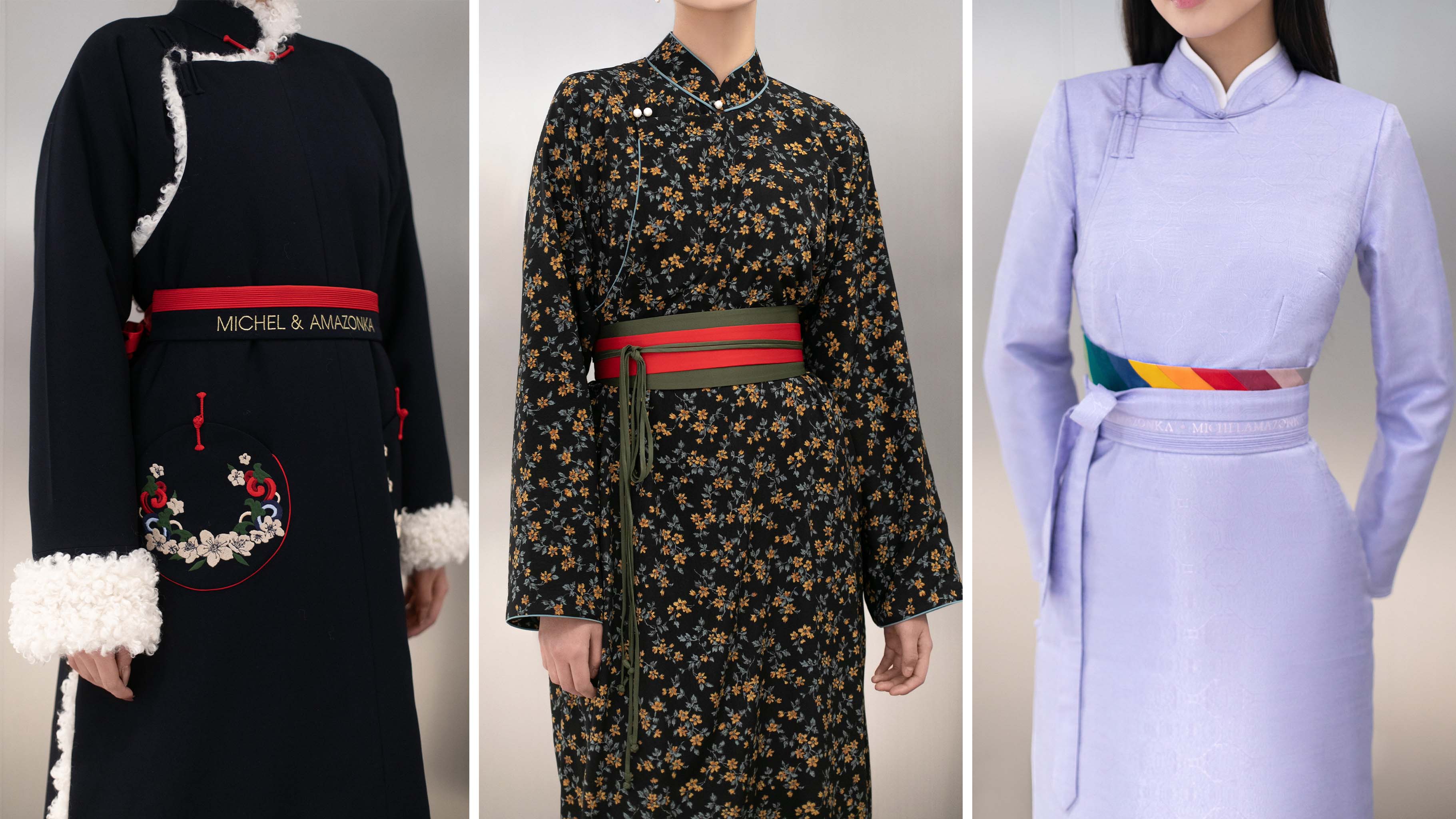
Different types of deel are worn depending on the season, occasion, and region. Winter deels are often lined with fur or thick materials for warmth, while summer deels are made from lighter fabrics such as silk or cotton.
Traditional Mongolian boots, known as gutal, are made from leather and often feature beautifully embroidered patterns. One of their distinctive characteristics is the upward-curved toe.
These boots are designed for horseback riding and walking across the steppe, making them both durable and comfortable.
Hats are an essential part of traditional Mongolian clothing. They vary widely in shape, color, and decoration depending on the region and season.
Many traditional hats feature a red tassel or ornament on top, symbolizing prosperity and good fortune.
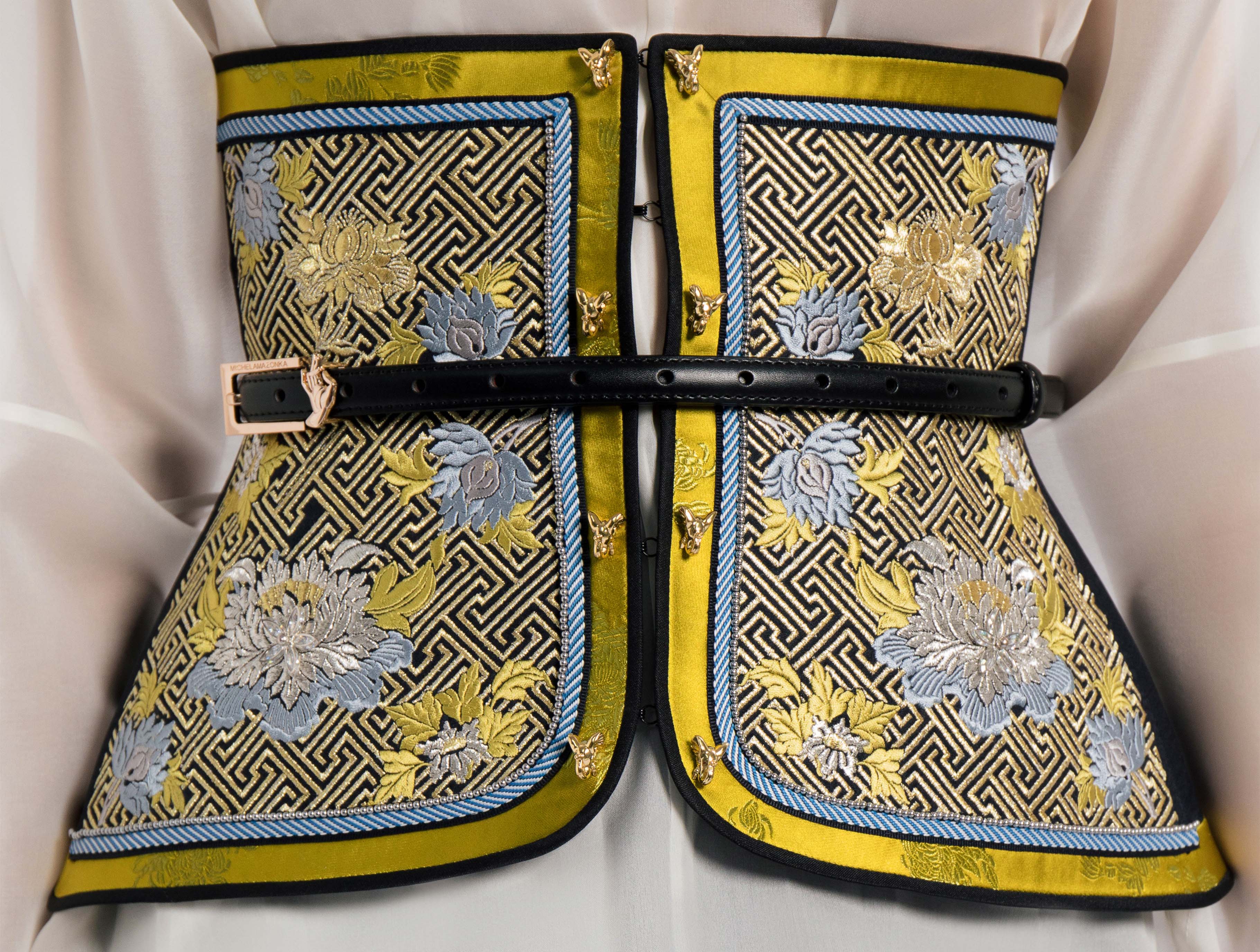
Belts are an important accessory worn with the deel. They help secure the garment and are often beautifully decorated. In traditional nomadic life, the belt also served as a practical tool for carrying small items.
Other accessories include jewelry, ornaments, and decorative items that reflect Mongolian craftsmanship and artistic tradition.
Today, traditional Mongolian clothing continues to be worn during festivals, ceremonies, and national holidays such as Tsagaan Sar and Naadam. Many designers are also incorporating traditional elements into modern fashion.
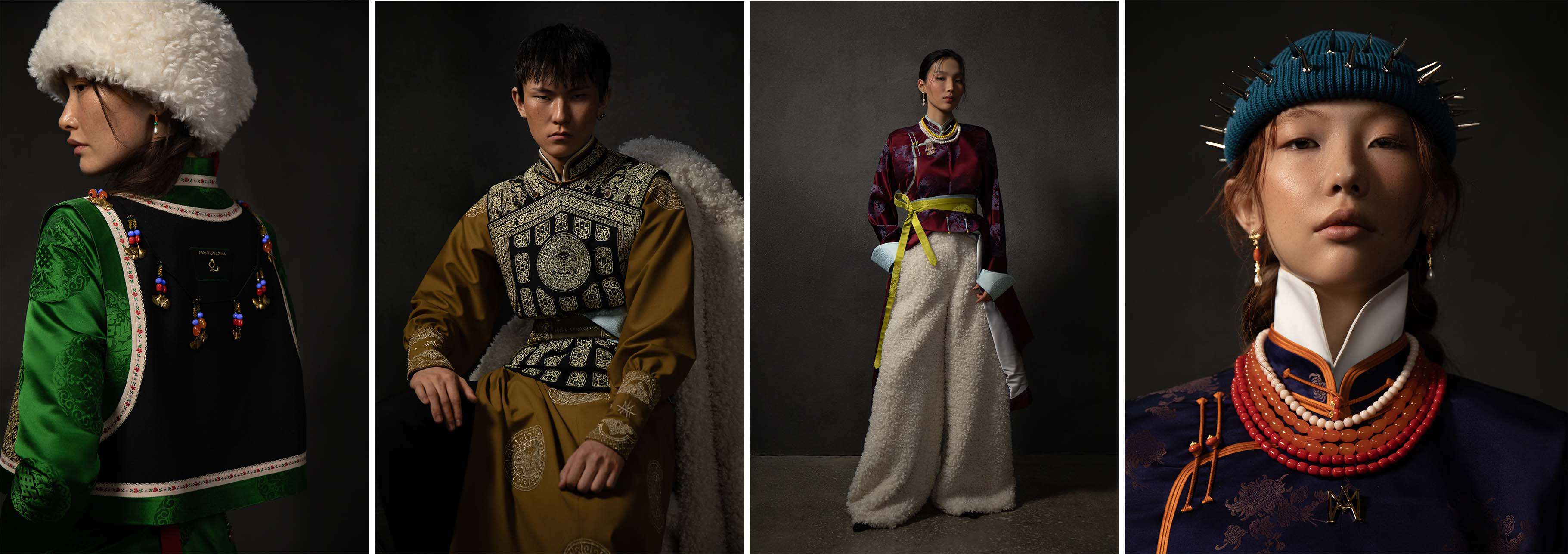
This blend of tradition and modern design helps preserve Mongolia’s cultural heritage while introducing it to new generations.