Traditional Mongolian Patterns and Their Symbolism
Traditional Mongolian patterns are an important part of Mongolia’s artistic and cultural heritage. These patterns can be seen in clothing, architecture, furniture, jewelry, and everyday objects. For centuries, Mongolian artisans have used decorative patterns not only for beauty but also to express beliefs, values, and connections to nature and spirituality.
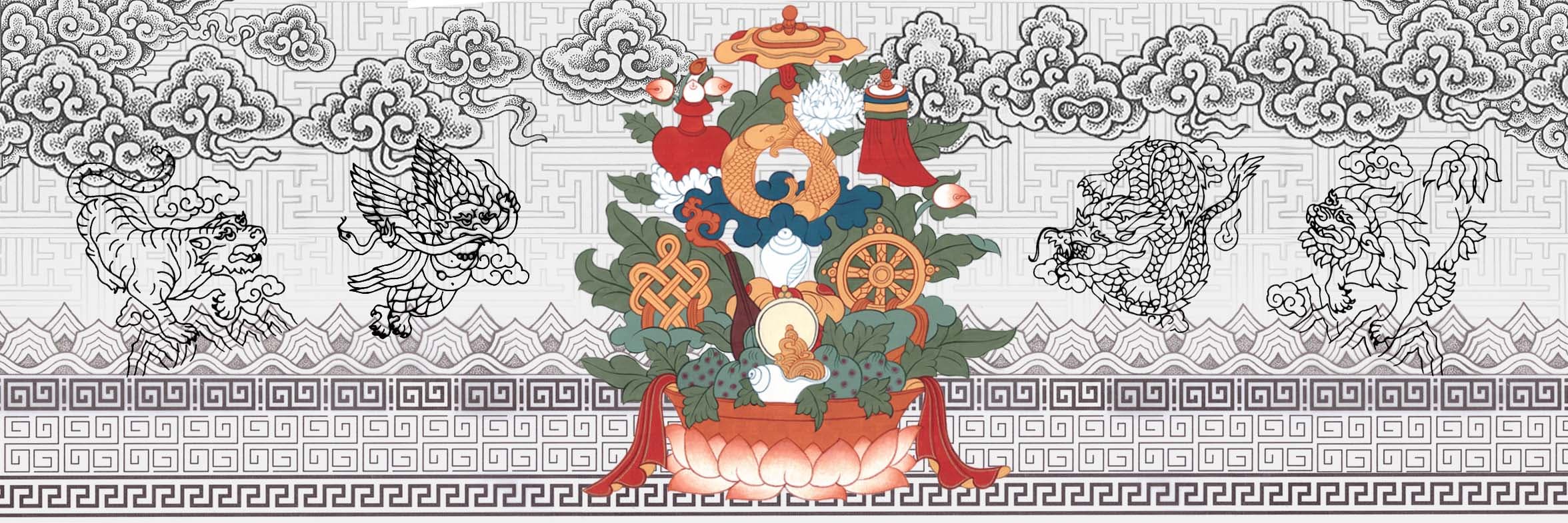
Each pattern carries symbolic meaning, often representing prosperity, protection, harmony, or eternity. Even today, traditional Mongolian patterns remain widely used in modern fashion, interior design, and cultural art.

Өлзий Хээ (Ulzii – Eternal Knot) The Ulzii knot is often used in clothing, Buddhist art, temples, and decorative crafts. The “Ulzii” Knot Pattern One of the most recognizable Mongolian patterns is the Ulzii knot. This endless knot symbolizes eternity, happiness, and continuous prosperity. The pattern has no beginning and no end, representing the endless cycle of life and the connection between past, present, and future. Meaning
| The “Khas” Symbol The khas pattern can often be found in ancient architecture, textiles, and traditional decorations. The Khas symbol is another traditional Mongolian pattern with deep historical meaning. It represents good fortune, strength, and protection. In Mongolian culture, the symbol is associated with positive energy and balance. Meaning
|
Animal and Nature Patterns Many Mongolian patterns are inspired by animals and nature, reflecting the nomadic lifestyle and close relationship with the natural world. Patterns resembling clouds, mountains, waves, and animal horns are commonly used.
These designs symbolize harmony with nature and respect for the environment.

Horn Pattern
| Cloud Pattern
|
Plant and Floral Motifs Floral and plant-inspired patterns are also common in Mongolian decorative art. These designs symbolize growth, life, and prosperity.
They are often used in embroidery, carpets, and ceremonial clothing to represent beauty and vitality.

Floral Pattern
|
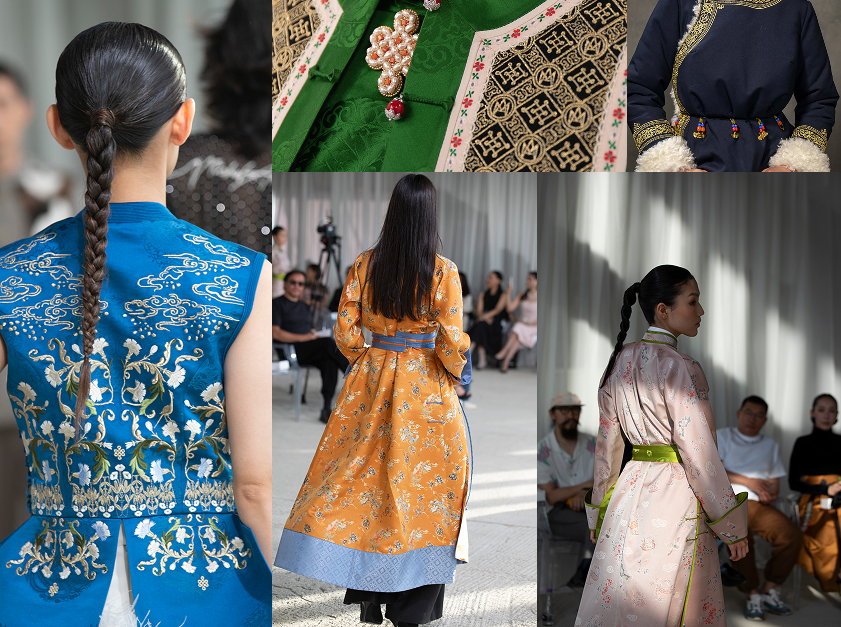
Today, Mongolian traditional patterns continue to inspire modern designers. These motifs appear in contemporary clothing, branding, architecture, and graphic design. By combining tradition with modern creativity, artists help preserve Mongolia’s cultural identity while introducing it to the global audience.
