Tsagaan Sar Traditions Explained
Tsagaan Sar, meaning “White Moon,” is the most important traditional holiday in Mongolia. It marks the beginning of the Lunar New Year and symbolizes renewal, purity, and the arrival of spring after the long winter.
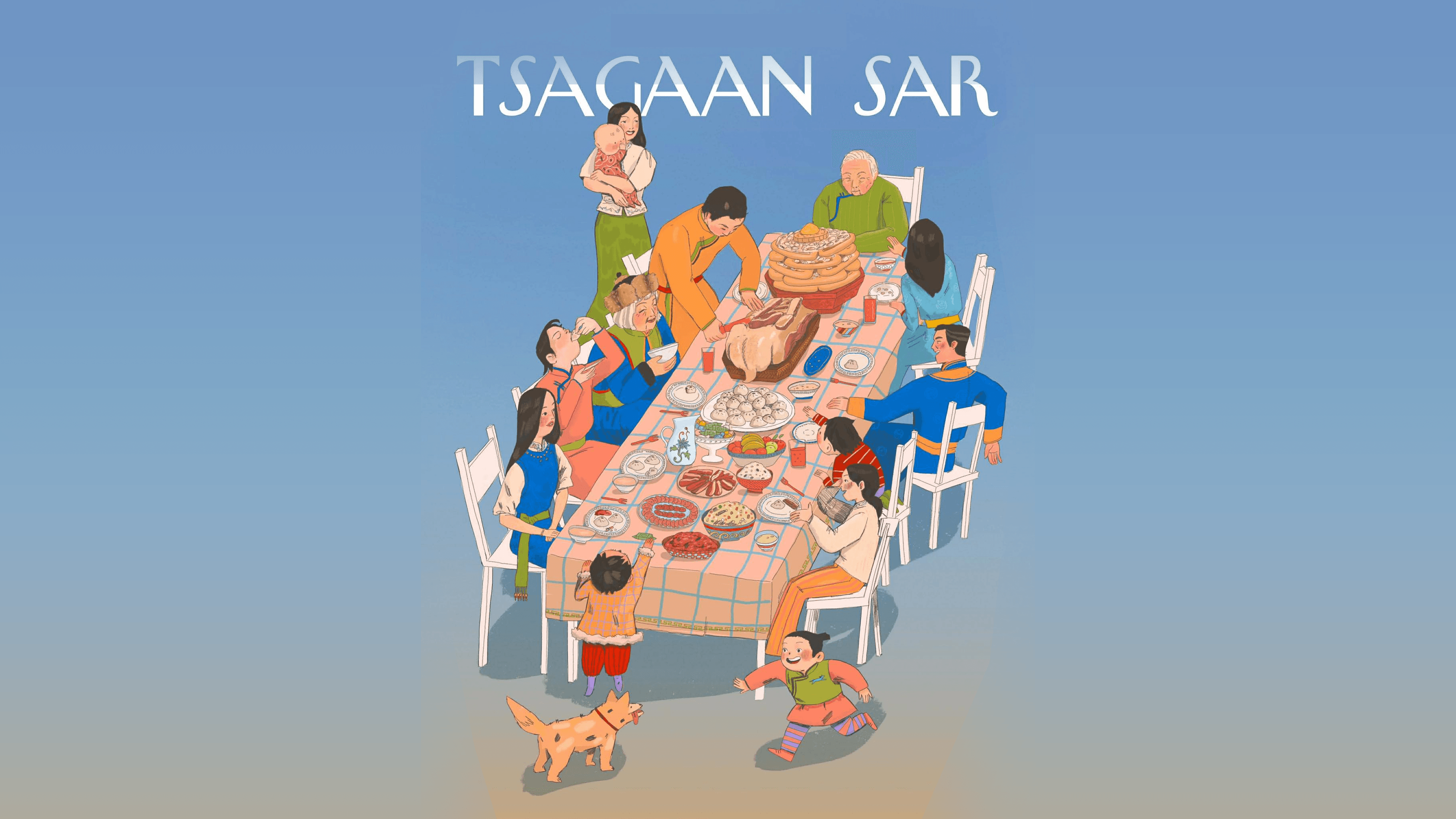
For Mongolians, Tsagaan Sar is a time to honor family, show respect to elders, strengthen relationships, and celebrate new beginnings. The holiday usually lasts several days and is filled with meaningful customs, traditional foods, and family gatherings.
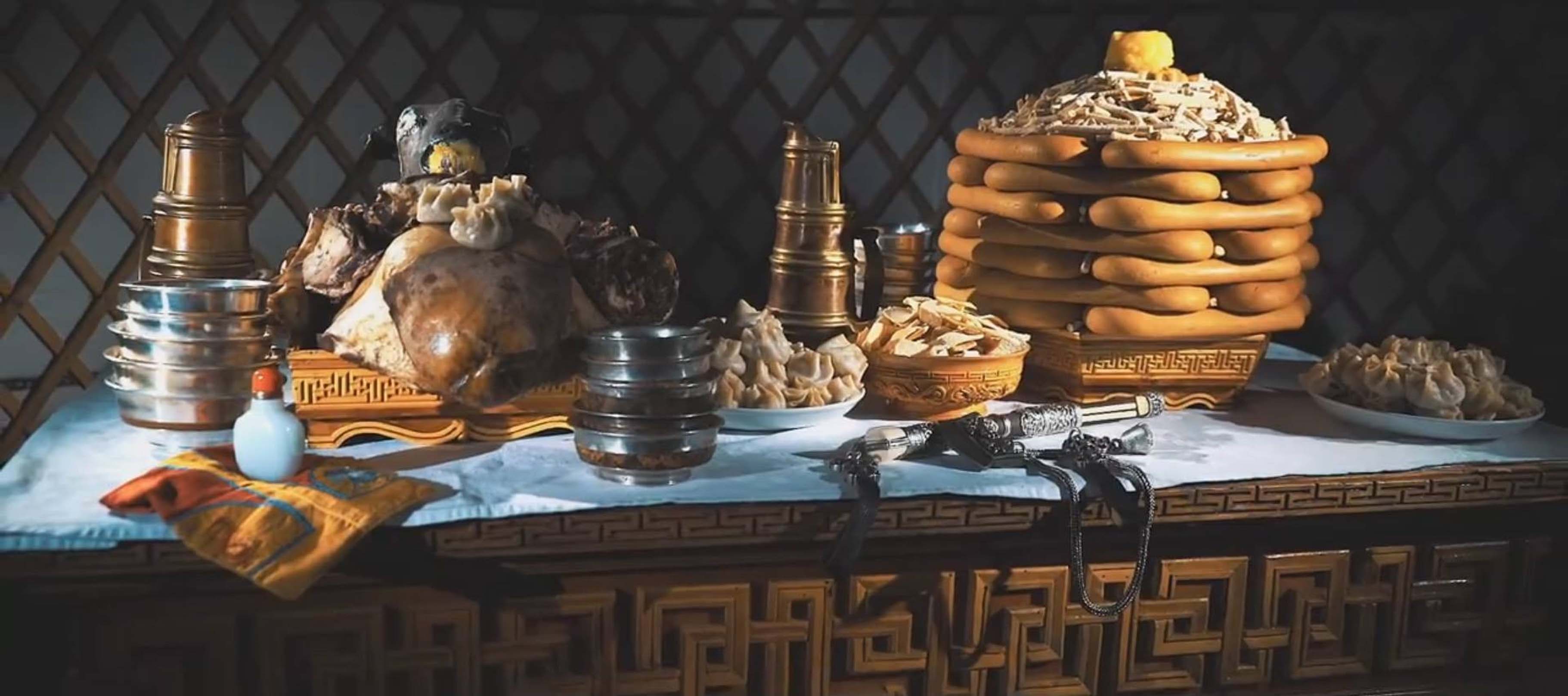
Preparation for Tsagaan Sar begins days or even weeks before the holiday. Families thoroughly clean their homes to welcome the new year with a fresh start.
Traditional foods are prepared in advance, including buuz (steamed dumplings), ul boov (layered ceremonial biscuits), dairy products, and sweets. The Tsagaan Sar table is beautifully arranged to symbolize abundance and hospitality.
The evening before Tsagaan Sar is called Bituun. Families gather together for a special dinner that symbolizes completeness and prosperity. It is important that no one goes hungry on Bituun night.
Families often play traditional games, share stories, and prepare for the first day of the new year.
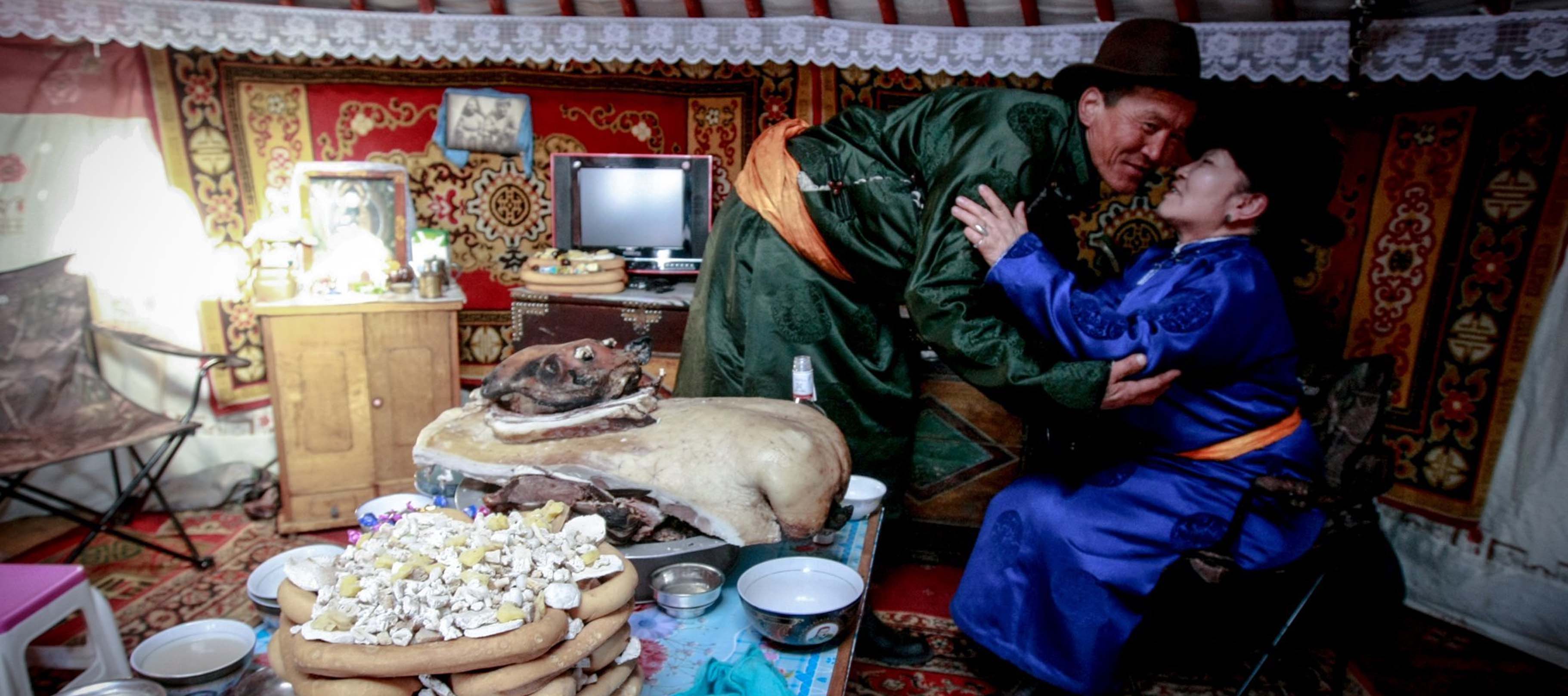
One of the most important customs during Tsagaan Sar is the traditional greeting known as Zolgokh. Younger people greet elders by extending their arms under the elder’s arms while saying respectful words of blessing.
This gesture shows deep respect, gratitude, and wishes for good health and happiness.
During Tsagaan Sar, families visit relatives and friends to exchange greetings and blessings. Guests are welcomed with tea, dairy products, sweets, and traditional foods.
It is common to give small gifts or money to children as a symbol of good fortune and prosperity for the new year.
Tsagaan Sar is more than just a holiday—it is a celebration of family unity, respect for elders, and the continuation of Mongolian traditions. It reflects values such as hospitality, generosity, and gratitude.
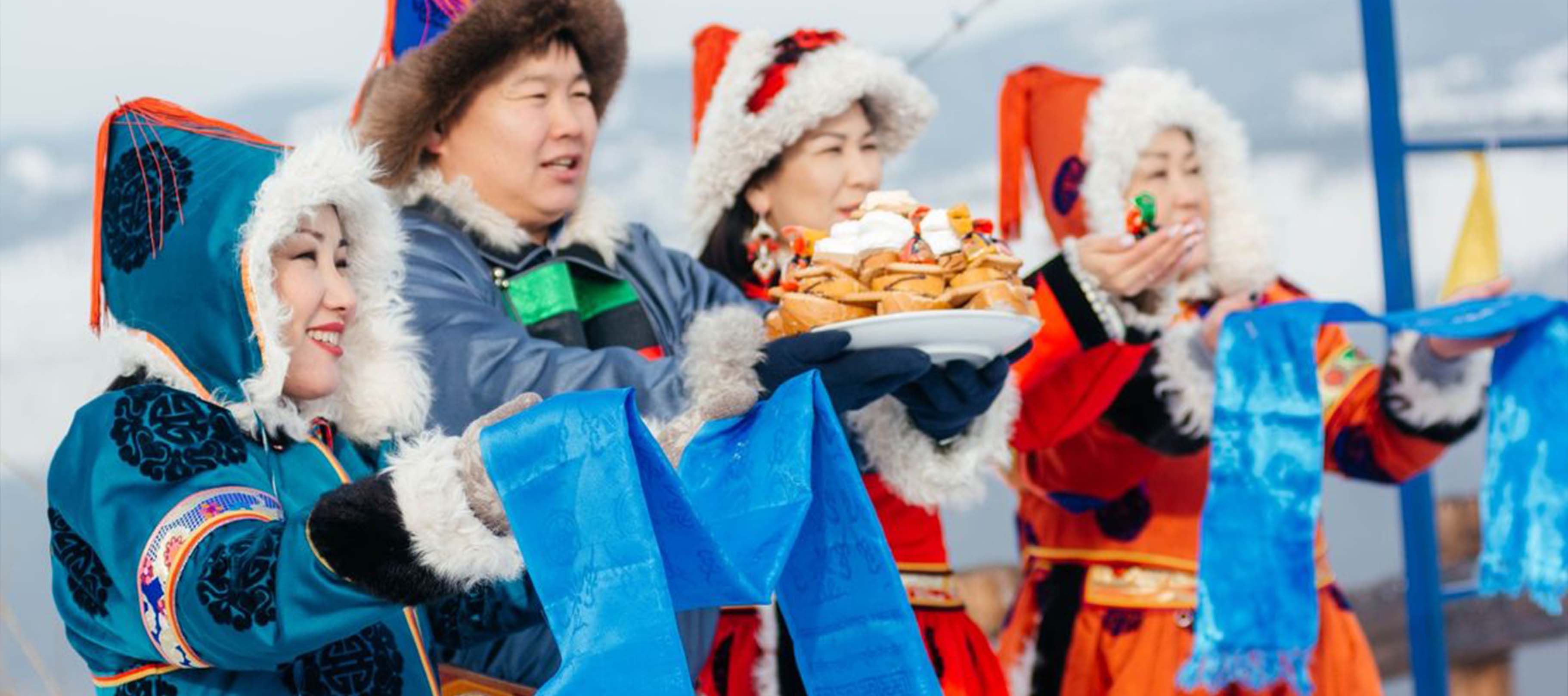
For many Mongolians, Tsagaan Sar is a time to reflect on the past year and welcome the new year with hope and positivity.