Traditional Mongolian Wedding Customs
Traditional Mongolian weddings are rich in customs and cultural symbolism. These ceremonies reflect the deep values of family, respect for elders, and the importance of community in Mongolian society. While modern weddings may include contemporary elements, many Mongolian families still honor traditional rituals that have been passed down for generations.
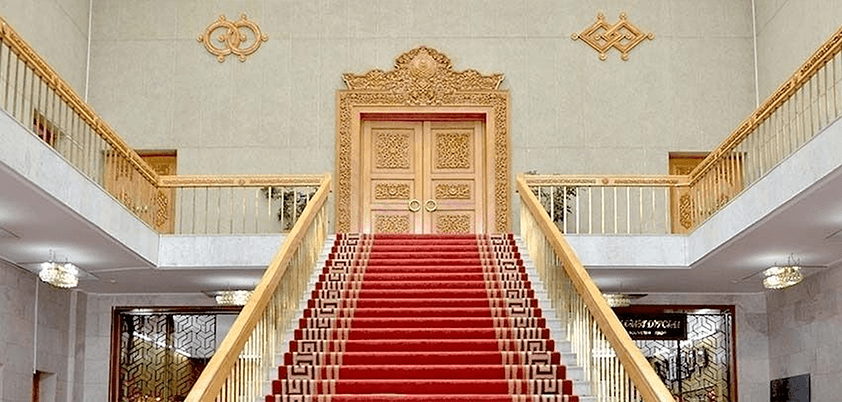
A traditional Mongolian wedding is not just the union of two individuals but also the joining of two families.
In traditional Mongolian culture, marriage often began with a matchmaking process. Representatives from the groom’s family would visit the bride’s family to formally ask for permission for the marriage.
During this visit, families would exchange gifts and discuss wedding arrangements. Elders played an important role in guiding the process and ensuring that the marriage was appropriate for both families.
Preparing for a traditional Mongolian wedding involves many rituals. Families carefully choose an auspicious date according to the lunar calendar. Traditional clothing, including beautifully decorated deel, is prepared for both the bride and groom.
The bride often wears elaborate jewelry and traditional headpieces that symbolize beauty, dignity, and prosperity.
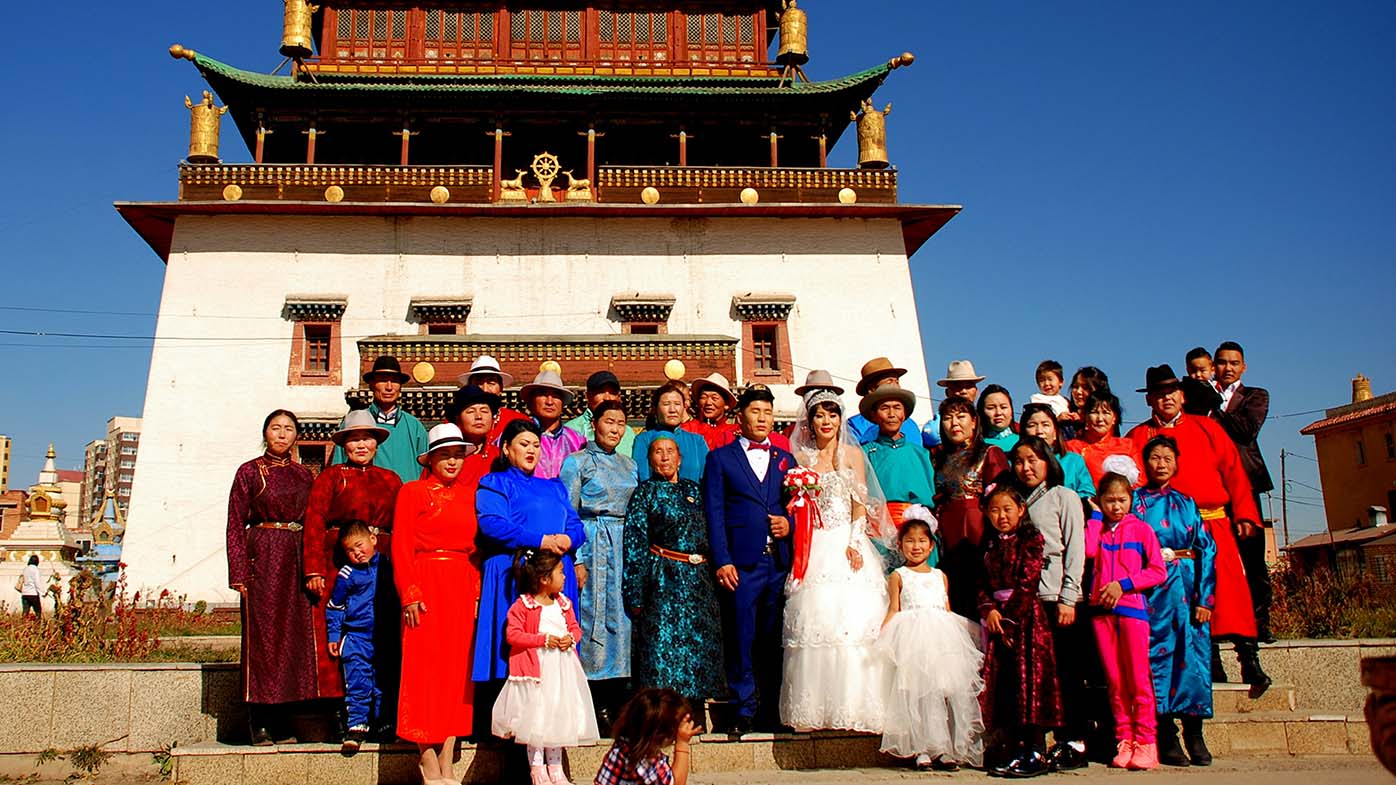
The wedding ceremony is usually attended by family members, relatives, and close friends. During the ceremony, elders give blessings and advice to the couple for a happy and harmonious marriage.
Traditional foods and drinks are served, and guests celebrate with music, dancing, and joyful gatherings.
Respect for elders is a key part of the ceremony, and the couple often bows to parents and elders to show gratitude and respect.
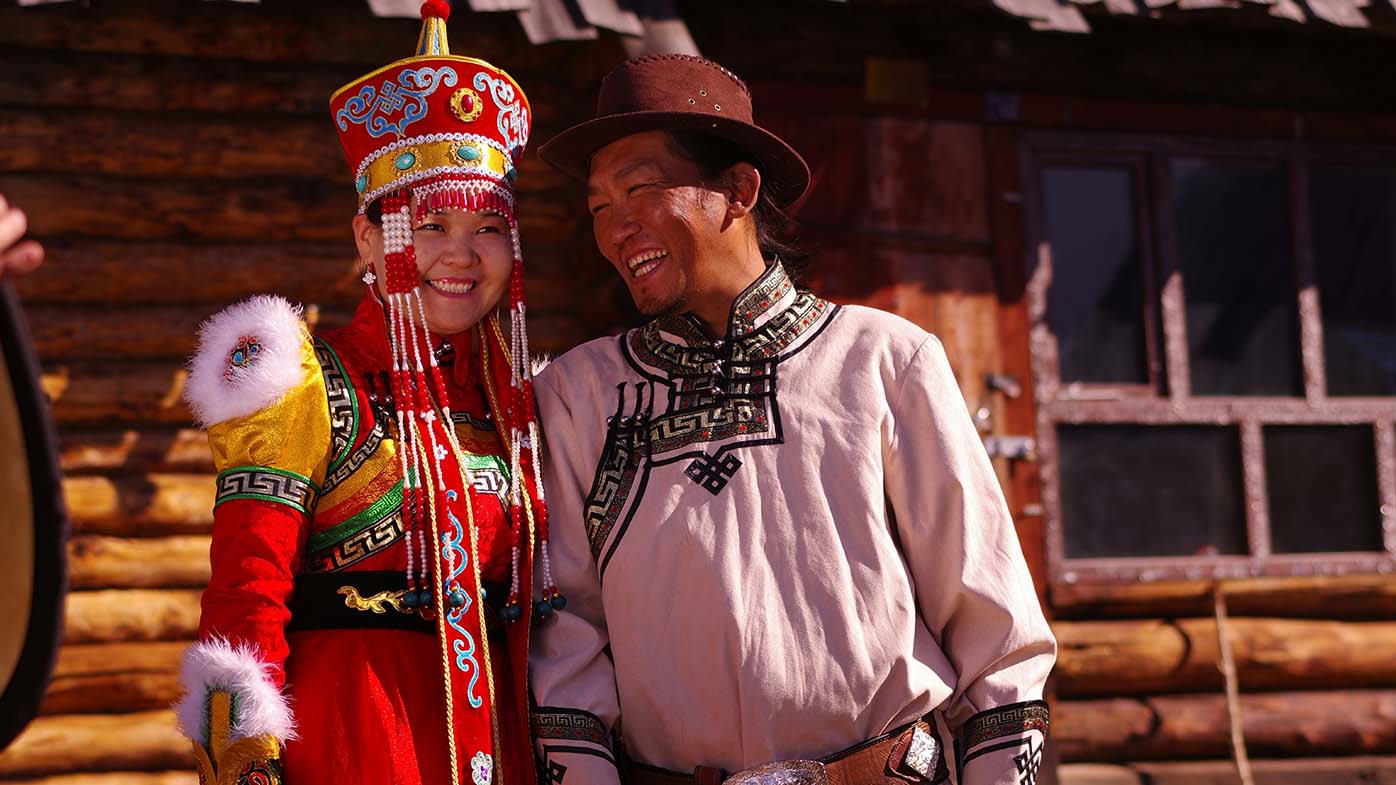
Mongolian wedding traditions emphasize unity, respect, and responsibility. Marriage is seen as the beginning of a new life where both partners work together to build a strong family.
These traditions highlight the importance of community support and the continuation of cultural heritage.
Today, Mongolian weddings often combine traditional customs with modern celebrations. Many couples wear traditional clothing for part of the ceremony while also including modern wedding styles.
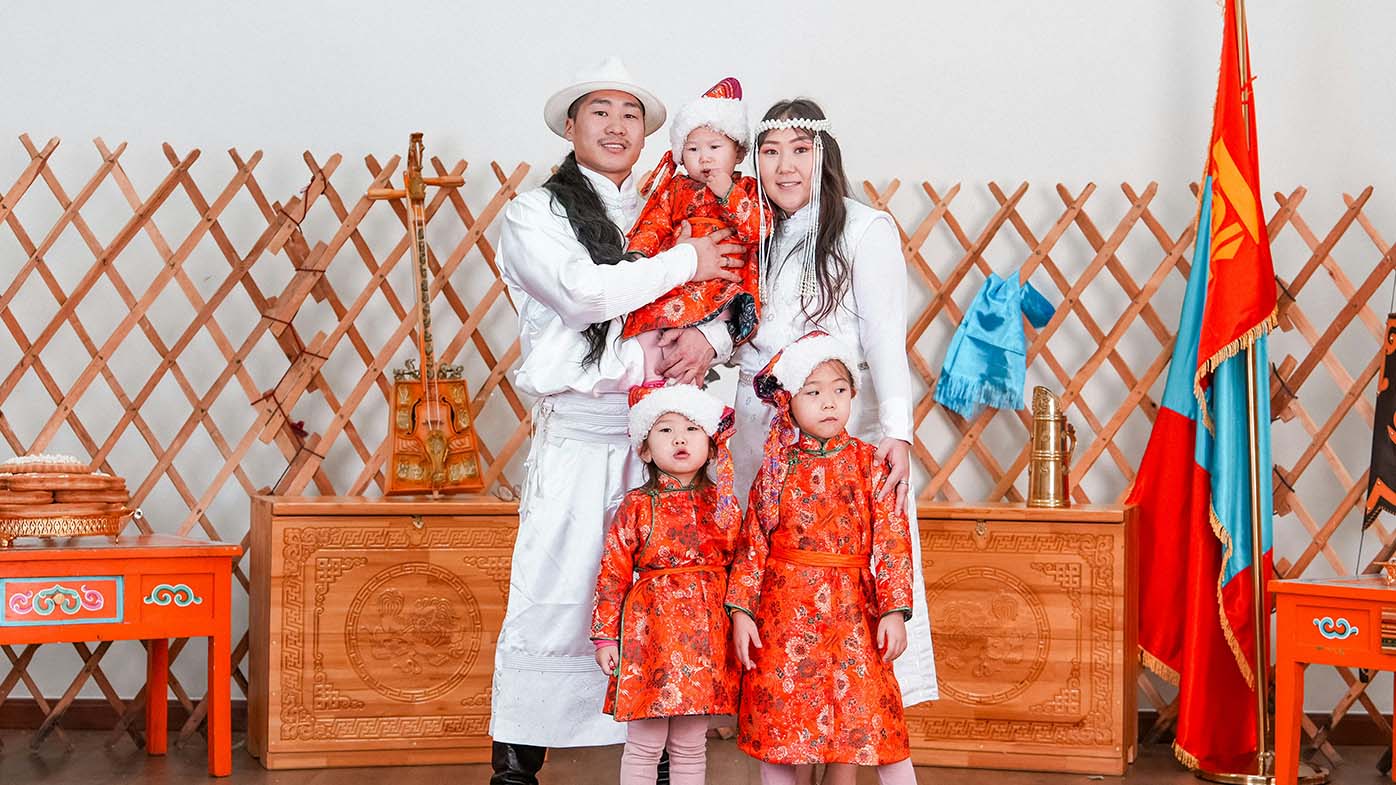
Despite these changes, the cultural values of family unity, respect, and celebration remain central to Mongolian weddings.